What is Diversity & Inclusion?
Diversity is any dimension that can be used to differentiate groups and people from one another.
In a nutshell, it’s about empowering people by respecting and appreciating what makes them different, in terms of age, gender, ethnicity, religion, disability, sexual orientation, education, and national origin.
Understanding one another
Diversity allows for the exploration of these differences in a safe, positive, and nurturing environment. It means understanding one another by surpassing simple tolerance to ensure people truly value their differences. This allows us both to embrace and also to celebrate the rich dimensions of diversity contained within each individual and place positive value on diversity in the community and in the workforce.
Recognising our differences
Each individual in an organisation brings with them a diverse set of perspectives, work and life experiences, as well as religious and cultural differences.
The power of diversity can only be unleashed and its benefits reaped when we recognise these differences and learn to respect and value each individual irrelevant of their background.
At Global Diversity Practice, we help organisations to implement diversity policies that will help instil inclusion, respect and appreciation across the entire workforce.
We advance learning and understanding of the practical ways in which everyone can play a part in bringing about D&I change by demystifying the topic.
Farrah Qureshi - CEO, GDP
Inclusion
APPRECIATING OUR DIFFERENCES
Inclusion is an organisational effort and practices in which different groups or individuals having different backgrounds are culturally and socially accepted and welcomed.
These differences could be self-evident, such as national origin, age, race and ethnicity, religion/belief, gender, marital status and socioeconomic status or they could be more inherent, such as educational background, training, sector experience, organisational tenure, even personality, such as introverts and extroverts.
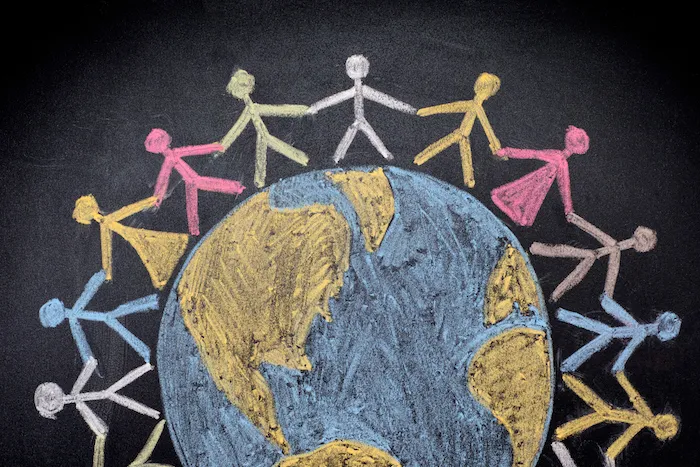
Inclusion is a sense of belonging
Inclusive cultures make people feel respected and valued for who they are as an individual or group. People feel a level of supportive energy and commitment from others so that they can do their best at work. Inclusion often means a shift in an organisation’s mind-set and culture that has visible effects, such as participation in meetings, how offices are physically organised or access to particular facilities or information.
The process of inclusion engages each individual and makes people feel valued as being essential to the success of the organisation. Evidence shows that when people feel valued, they function at full capacity and feel part of the organisation’s mission. This culture shift creates higher performing organizations where motivation and morale soar
In simple terms, diversity is the mix and inclusion is getting the mix to work well together.”
Better business performance
Openness to diversity widens our access to the best talent. Inclusion allows us to engage talent effectively. Together, this leads to enhanced innovation, creativity, productivity, reputation, engagement and results.
21% Businesses with a healthy balance of men and women are 21% more likely to outperform their competitors.
33% Businesses with a good mix of ethnic backgrounds are 33% more likely to outperform their competitors.
87% Teams that are gender, age and ethnically diverse make better decisions up to 87% of the time.
Why do we need D&I in our workplace?
Organisations need to allocate the required resources and training in order to attract the right employees with the best minds and skills. In today’s war for talent, this may require you to look beyond the traditional recruitment pool. This is what we mean by diversity in the workplace.
The onset of globalisation has led to a demographic shift, with increased mobility in migrant workers travelling to the four corners of the globe for career progression, and the need for a talented and skilled workforce resulting in diversity becoming a key driver in economic growth across the world.
The benefits of a diverse workforce not only provides social harmony at work for the employees, but also increases productivity and profitability that will help the organisation to succeed in the global marketplace.
Our role is to demystify D&I and provide solution and answers to the following questions:
- What are these concepts?
- Why should you care?
- How does unconscious bias get in the way of successful utilisation of all of your talent management?
- Why is promoting gender equity one of the most pressing challenges in the 21st century?
- How does understanding diverse cross-cultural lenses communication and leadership styles ensure high performing diverse teams?
- How can D&I it help your business deliver exceptional performance?
- How can D&I help you leverage the full potential of your Human Capital?
- How can inclusive leadership help you become a great leader?
- How can you get closer to your customers and clients?
- How can you gain “first mover advantage” in penetrating new markets, developing innovative products and leave your competitors behind?
- How can you “future proof” your companies and organisations?
- How can you ensure you are ethically sound and values driven?
- How can you ensure smooth entry and develop a successful footprint in emerging economies?
Find out more
- Delivering through Diversity – McKinsey & Company
- Diversity + Inclusion = Better Decision Making at Work – Forbes
- How Diversity Can Drive Innovation – Harvard Business Review

Our Leadership
GDP is led by Farrah Qureshi, a globally recognised expert on diversity and inclusion.

Our Story
Founded in 2009, GDP pioneered a new approach to business and management consultancy based on embedding principles of diversity and inclusion across organisations, impacting every business division and department.

Our Team
Our global network of consultants, trainers, researchers, learning designers and delivery partners work globally and virtually to deliver outstanding results and exceptional value.