CSRD & ESG Reporting
- Diagnostic (this service)
- Development
- Reinforcement

Turn CSRD compliance into competitive advantage
The European Union’s Corporate Sustainability Reporting Directive (CSRD) is reshaping how companies operate. But here’s what most organisations miss: the “S” in ESG, the social piece, is the hardest part of the puzzle.
At Global Diversity Practice, we help you navigate CSRD requirements with confidence, turning compliance into a catalyst for a more diverse, inclusive and high-performing workforce.

What is CSRD?
The Corporate Sustainability Reporting Directive is the EU’s flagship regulation requiring large companies to disclose their environmental, social and governance (ESG) impacts in a standardised, comparable way, against the European Sustainability Reporting Standards (ESRS).
The EU simplified both in 2025 and 2026. Fewer companies are in scope, reporting starts later for most of them, and the standards have far fewer data points. What remains still asks hard questions about your workforce. Read our guide to CSRD and the “S” in ESG for the detail.
Who reports, and when
2025
Large public-interest companies previously covered by the Non-Financial Reporting Directive reported first, for financial year 2024. From financial year 2027, only those above the new thresholds stay in scope.
2028
EU companies and groups with more than 1,000 employees and more than €450 million net turnover report for financial year 2027. Both tests must be met.
2029
Non-EU groups with more than €450 million net turnover in the EU, and an EU subsidiary or branch above €200 million, report for financial year 2028.
Why the “S” is your biggest challenge
Most organisations can measure their carbon footprint. But where your own workforce is material, ESRS S1 asks you to report on:
- The gender balance of your top management
- Your gender pay gap, and the ratio of the highest pay to median pay
- The percentage of employees with disabilities, where the law allows that data to be collected
- Confirmed incidents of discrimination, including harassment
- Training, health and safety, and work-life balance
Looking at that list, most organisations realise they don’t have the data. Or the governance. Or the controls to make it auditable. This is where we come in.
How we support your CSRD journey
1. CSRD readiness assessment
We assess your current position against ESRS requirements, identifying gaps in data, policy and governance before they become audit issues.
2. Double materiality assessment
Sustainability starts with understanding what matters. We help you conduct a double materiality assessment that identifies which social and governance topics are material to your business.
3. ESRS S1 workforce and diversity gap analysis
We map your existing HR data, policies and practices against the ESRS S1 (Own workforce) requirements.
4. Data collection and governance framework
CSRD requires auditable, comparable data. We help you build the systems, controls and processes to collect and validate social data that meets assurance standards.
5. Training and culture building
Compliance without culture change is hollow. We support leaders and managers in understanding what the “S” really means.
Why Global Diversity Practice?
- DEIB expertise with regulatory knowledge. Most ESG consultancies focus on the “E”. We’ve spent more than 15 years helping organisations build diverse, inclusive workplaces.
- Real-world experience. We’re currently supporting organisations on their CSRD compliance journey.
- End-to-end support. From readiness assessments to data governance to culture change, we don’t just help you tick boxes.
Ready to get started?
For companies in scope, CSRD is mandatory. But how you approach it is a choice. Organisations that treat it as a compliance exercise will struggle. Those that see it as an opportunity to build stronger, more diverse teams will thrive.
- Schedule a consultation with our CSRD and ESG reporting experts.
- Receive a customised proposal tailored to your organisation’s needs.
- Begin turning your CSRD compliance into a stronger, more inclusive workplace.
Case studies
All case studies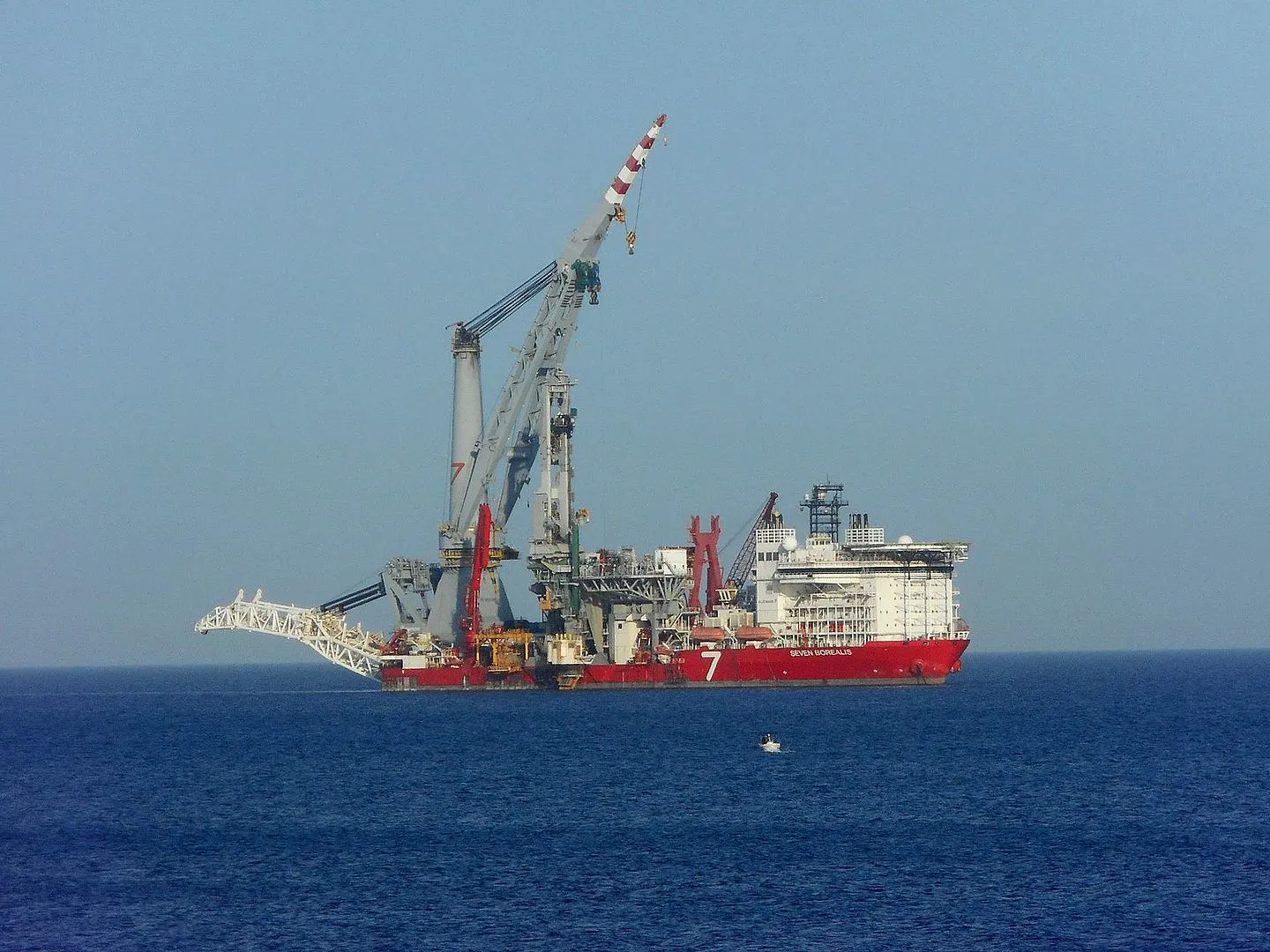 Strengthening Subsea7’s Behavioural FrameworkSubsea7 is an engineering construction and services company that delivers offshore projects and services for the energy industry.
 Incorporating DEI at CNWLCNWL, one of the largest NHS trusts in the UK, provides healthcare in London, Milton Keynes, and parts of Kent, Surrey, and Hampshire.
 Conscious Inclusion at METRO AGMETRO AG is a multinational wholesale company headquartered in Düsseldorf, Germany.